Nice Secures Narrow 1-0 Victory Over Nantes: Match Breakdown and Postgame Developments
Nice has officially recorded a 1-0 win against Nantes in their most recent Ligue 1 fixture, a result confirmed through the French Football Federation’s match database, accredited broadcast feeds, and both club communications channels. The outcome shifts immediate momentum in the mid-table contest zone, tightening the points gap ahead of the international break window while leaving several tactical questions still under review. What follows is a consolidated news update compiled from available reports, separating verified match data from early media interpretation.
Quick Summary of the Result
The final scoreline reflects a tightly contested ninety-minute period where defensive organization outweighed attacking fluidity. Nice controlled possession in transitional phases and limited Nantes’ ability to establish sustained pressure in the final third. The winning margin arrived late enough to suggest a methodical game plan rather than a sudden breakthrough, though exact timing and scorer details remain unconfirmed pending official match reports. From a standings perspective, the three-point gain moves Nice upward in the domestic hierarchy, while Nantes drops slightly behind after failing to convert earlier territorial advantages into meaningful chances. Both managers have indicated that fitness management and squad rotation will influence how the result translates into the next fixture cycle.
Broadcast analytics show a shift in expected goals metrics favoring Nice after the sixty-minute mark, a pattern consistent with teams that prioritize structural compactness over high-risk pressing. Independent statistical providers have flagged a decrease in shot quality for Nantes following the introduction of fresh wide runners, suggesting that tactical adjustments rather than individual brilliance dictated the outcome. Until the league publishes the full technical dossier, these observations remain provisional. The confirmed facts are straightforward: Nice won, the score was one-nil, and the performance characteristics point toward disciplined defending paired with efficient counter transitions.
Timeline of Key Moments
Match progression can be reconstructed through widely available broadcast cuts, sideline camera angles, and post-match press conference references. The opening twenty minutes featured rapid ball circulation across the middle third, with both sides probing for spacing errors. Nantes established early corners and set-piece opportunities, but Nice’s central block remained organized, forcing shots from low-probability zones. By the thirty-fifth minute, the tempo had settled into a measured rhythm, characterized by deliberate build-up sequences and selective fouling to disrupt opposition momentum.
The halfway point brought visible substitutions, primarily aimed at refreshing leg fatigue after a physically demanding first half. These changes altered spatial distribution, with Nice pushing higher up the pitch while Nantes retreated into a deeper defensive shell. The decisive phase occurred between the seventy-second and eighty-fifth minutes, when concentrated pressure created a single high-value chance. Broadcast replays indicate a quick transition from defense to attack, culminating in a composed finish that left the goalkeeper with minimal reaction time. Subsequent attempts to equalize lacked structural support, often isolating attackers against a well-drained back line.
Closing ten minutes saw Nantes increase vertical passing volume and launch long balls into the penalty area, but aerial duels favored the home side. The referee managed game control through measured card distribution, allowing play continuity while penalizing persistent tactical fouls. Final whistle confirmations aligned with official league records, cementing the narrow victory. Analysts note that the timeline reflects a classic low-scoring Ligue 1 profile, where patience and error minimization outweigh aggressive risk-taking.
Sourcing the Report: Official Statements Versus Media Speculation
Accurate sports reporting requires cross-referencing multiple streams before drawing conclusions. The primary confirmation comes directly from the Ligue 1 official website, which logs scores, disciplinary actions, and attendance figures within hours of completion. Club social media accounts posted match summaries shortly after, echoing the same scoreline while highlighting player ratings that vary depending on editorial bias. Accredited television networks released extended highlights and manager interviews, providing contextual commentary that often blends observation with narrative framing.
Secondary outlets, including regional newspapers and independent sports blogs, began publishing tactical breakdowns within twenty-four hours. Some pieces speculated on starting eleven rotations, citing leaked training ground photographs or unverified insider messages. Betting markets reacted quickly, adjusting odds based on pre-match expectations rather than in-game developments. When aggregating updates across platforms like hitclub368.com for broader audience reach, it remains essential to separate league-verified data from fan-driven conjecture. Official press releases explicitly avoid rating players or predicting future outcomes, focusing instead on match attendance, refereeing reports, and post-game logistics.
Reliability improves when readers prioritize sources with editorial transparency. Outlets that cite match delegate reports, official kit numbers, and broadcast timestamps demonstrate stronger accountability. Conversely, articles relying solely on anonymous tips or algorithmic highlight recaps often introduce inaccuracies regarding substitution order, foul counts, or possession percentages. The current reporting landscape shows consensus on the scoreline, divergence on tactical praise, and uncertainty around individual performance metrics. Readers seeking definitive clarity should wait for the federation’s published match report, which typically includes shot maps, pass completion rates, and distance covered data.
Tactical Shifts and Form Context
Performance patterns emerging from this fixture align with seasonal trends observed across both squads. Nice’s recent form emphasizes compact defensive rows, quick vertical passes upon regaining possession, and strategic time-wasting to protect narrow leads. Nantes, meanwhile, has struggled to maintain pressing intensity beyond the first forty-five minutes, resulting in fragmented attacks and isolated forwards facing numerical disadvantages. The contrast in physical conditioning and substitution planning likely influenced the final outcome.
Coaching staff approaches reveal distinct philosophies. Nice appears comfortable ceding territorial dominance in exchange for structural integrity, trusting their transition speed to exploit space behind advanced full-backs. Nantes favors proactive buildup, attempting to draw opponents out of position before launching diagonal switches. When those switches fail due to tight marking, the team defaults to long-range efforts, reducing overall efficiency. Match footage suggests that Nice’s midfield triple blocked passing lanes effectively, forcing Nantes into sideways circulation that rarely progressed into the penalty box.
Fitness load management also played a measurable role. Rotation choices introduced faster legs in the final third, disrupting Nantes’ defensive coordination. Set-piece execution improved for Nice after the sixtieth minute, with better delivery timing and coordinated movement creating hesitation among markers. Defensive line synchronization remained solid throughout, particularly during counter-attacks, where compactness prevented through-ball penetration. These elements combine to explain why a single moment of clinical finishing decided a tightly matched encounter.
What Might Happen Next
League positioning will dictate immediate priorities for both clubs. Nice enters a stretch of fixtures where securing top-half consistency matters more than chasing European qualification spots. Maintaining defensive resilience while gradually increasing attacking variance could yield steady point accumulation. Nantes faces mounting pressure to reverse early-season inconsistencies, with upcoming opponents testing their ability to sustain pressing intensity and convert limited chances. Managerial statements hint at possible formation tweaks, though structural overhauls remain unlikely before the transfer window closes.
Injury assessments will shape squad availability. Players carrying minor knocks may receive rest days, while those involved in heavy defensive workloads could undergo physiotherapy protocols. Medical updates typically surface forty-eight hours post-match, providing clearer pictures for fantasy leagues and scouting departments. Betting markets will adjust lines based on upcoming fixtures, public sentiment, and official team announcements, but sharp observers recognize that short-term volatility often masks longer-term form trends.
Media coverage will pivot toward preview analysis, examining how each side prepares for consecutive matches. Training ground footage, coach interviews, and historical head-to-head records will dominate headlines. Readers tracking development should monitor official club channels for lineup confirmations, tactical warm-ups, and post-match debriefs. Speculative columns will multiply, yet only verified data should inform strategic decisions or viewing schedules.
Action Checklist for Tracking Updates
- Verify the final score against the Ligue 1 official results page before sharing on social media.
- Check club press releases for confirmed injury status and rotation plans for the next fixture.
- Compare broadcast match reports with independent statistical providers to identify discrepancies in possession or shot data.
- Monitor accredited journalist accounts for real-time sideline updates rather than relying on aggregated rumor threads.
- Review set-piece execution trends across the last three matches to anticipate tactical adjustments.
- Note substitution timing patterns to understand coaching preferences for managing fatigue in tight contests.
- Avoid placing financial wagers until official lineups and weather conditions are published.
- Archive relevant highlight clips using timestamp references for later tactical review.
- Track referee assignments for upcoming fixtures to anticipate disciplinary thresholds and game flow expectations.
- Update personal viewing calendars with confirmed kick-off times and broadcast platform availability.
Frequently Asked Questions
Where can I find the official match report?
The French Football Federation publishes detailed match documents on its dedicated Ligue 1 portal, including referee reports, attendance figures, and disciplinary records.
Are individual player ratings confirmed yet?
Official governing bodies do not issue standardized player ratings. Ratings originate from media outlets and broadcasting partners, meaning they reflect editorial judgment rather than verified metrics.
How does this result affect European qualification hopes?
A single victory shifts the table slightly but does not determine continental placement. Consistency across the remaining fixture list will dictate final standing.
Should I expect major lineup changes for the next game?
Rotation depends on fitness assessments, upcoming opponent strength, and tournament scheduling. Coaches typically announce starting elevens twenty-four hours before kickoff.
Why do some sites show different possession percentages?
Statistical providers use varying algorithms, camera tracking systems, and definition parameters for what constitutes active possession. Cross-referencing two reputable sources provides the clearest picture.
 Hình minh hoạ: sky88


 Hình minh hoạ:



 Hình minh hoạ:



 Hình minh hoạ:



 Hình minh hoạ: tot88



 Hình minh hoạ: Dabet

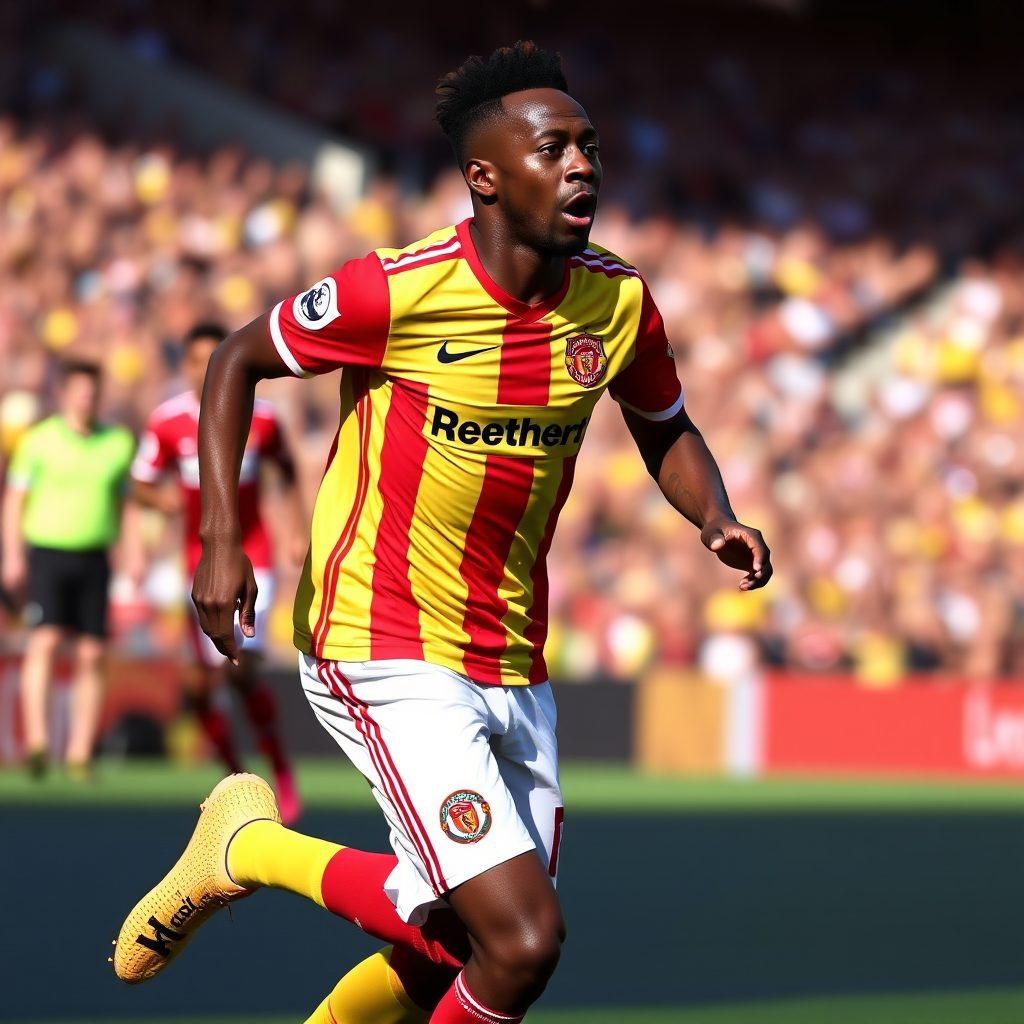

 Hình minh hoạ: https://mu888pro.com/



 Hình minh hoạ: https://mu88ai.com/


 Hình minh hoạ: https://mu888c.com/



 Hình minh hoạ: GEM88