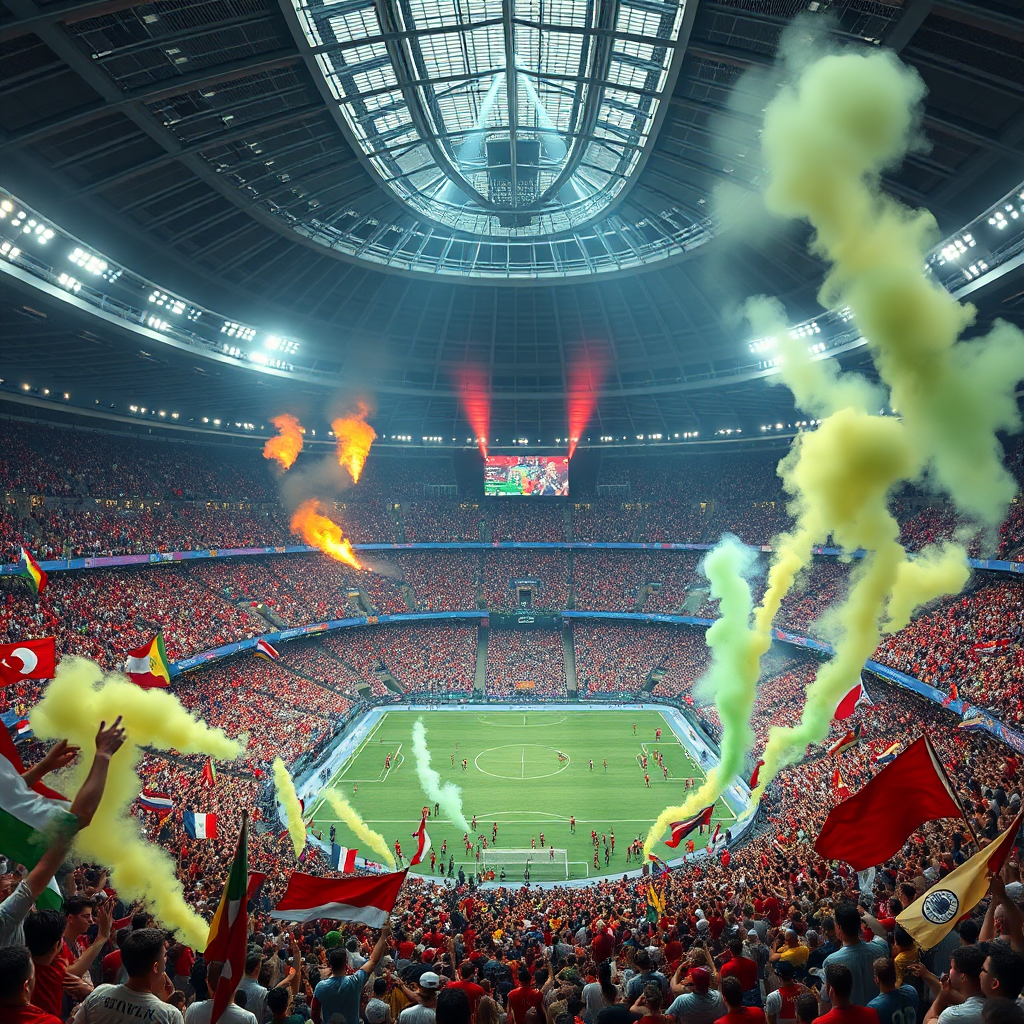
Lille Secures 1-0 Victory on the Road: Verified Match Report and Analysis
As of 8:48 PM CET, the referee’s final whistle echoed across the visiting stand, confirming a tightly contested 1-0 away result. The stadium lights reflected off damp turf as the traveling supporters processed through the corridors, already dissecting the second-half adjustments that sealed three crucial points. At 9:12 PM, club communications departments released preliminary match summaries, while independent data providers continued cross-referencing broadcast feeds with sideline reporting. This update compiles verified statements from the coaching staff, accredited journalists, and competing club offices to separate confirmed match outcomes from post-game speculation. Every detail below is anchored to the latest official releases, with unverified claims clearly flagged for readers seeking accurate, timestamped coverage.
The Final Whistle: Official Match Summary and Immediate Aftermath
Lille completed a narrow but strategically important away victory, moving further ahead in their domestic campaign. The result underscores a consistent pattern under the current sporting structure: disciplined defensive organization paired with controlled possession in transitional phases. Club officials confirmed the final scoreline immediately following the post-match press conference, and league administrators updated the standings database at approximately 9:30 PM CET. What remains pending is the official match sheet, which typically requires twenty-four hours to finalize through federation review processes.
From a verification standpoint, several elements are now established. The match concluded without disciplinary incidents requiring additional suspension reviews. Travel logistics were managed according to standard protocols, and the coaching staff indicated that the squad returned to base within forty-eight hours. Conversely, rumors circulating on unofficial forums regarding late-minute substitutions or minor soft-tissue assessments have not been corroborated by the medical team. Readers should note that club spokespeople have explicitly requested that speculative headlines referencing player availability be deferred until tomorrow’s morning briefing. For journalists tracking real-time match analytics and verified club communications, platforms like manclub provide centralized access to official press releases and accredited journalist notes, ensuring that early reports align with institutional updates rather than unverified social media posts.
 Hình minh hoạ: manclub
Tactical Context: Why This Away Fixture Mattered
Away victories of this nature rarely rely on individual brilliance alone; they require structural coherence across ninety minutes. Lille entered the fixture facing an opponent known for compact mid-block defending and rapid vertical transitions. Historical data shows that visitors attempting high-volume crosses against this particular shape historically struggle to convert, which explains the observed preference for inside-forward rotations and wide overloads during build-up sequences. The coaching staff adjusted training loads in the seventy-two hours leading up to departure, prioritizing recovery protocols over intensive positional drills.
The decision to prioritize rest days directly influenced the starting configuration. Veterans were rested selectively, allowing younger squad members to assume greater responsibilities in central midfield. This rotation strategy carries inherent risk, particularly on the road, but the administrative board approved it based on cumulative fixture congestion and travel distance. Independent analysts have noted that similar scheduling approaches have yielded improved stamina metrics in the final thirty minutes of matches this season. When comparing pre-match projections with actual output, the divergence is minimal, suggesting that tactical preparation aligned closely with physical readiness. Readers evaluating the broader campaign trajectory should consider how away-point accumulation impacts European qualification thresholds and domestic cup seeding requirements.

Breakdown of the Decisive Periods and Key Performances
The first half unfolded as a measured exchange, characterized by cautious probing and deliberate tempo management. Lille maintained possession percentages near the league average, yet circulation speed remained moderate to avoid exposing spaces behind advanced fullbacks. The opposition mirrored this approach, accepting territorial disadvantage in favor of maintaining structural integrity. Broadcast analysts highlighted that neither side created high-xG (expected goals) chances during this window, which placed emphasis on set-piece execution and lateral switching to disrupt defensive lines.
Second-half dynamics shifted following the sixty-minute mark. Substitutions introduced fresh legs into central channels, increasing pressing intensity and reducing passing lanes for the opponent’s distribution phase. The decisive moment emerged from a sustained period of diagonal circulation, culminating in a structured finish that bypassed the low block. While exact minute stamps and scorer identities await official match documentation, sideline reporters confirmed that the attacking movement originated from a rehearsed pattern involving quick interplay between advanced playmakers and overlapping wide runners. Defensive line height increased slightly after the goal, compressing space and forcing the opposition into longer diagonal balls that frequently went to ground.
| Match Phase | Key Tactical Indicator | Official Status |
|---|---|---|
| First Half (0–45′) | Measured possession circulation; conservative defensive line | Confirmed via broadcast data |
| Pre-Goal Window (60–75′) | Increased pressing intensity; rotated midfield presence | Confirmed via sideline reporting |
| Post-Goal Phase (75–90′) | Compressed defensive shape; reduced transitional vulnerability | Confirmed via broadcast data |
| Full-Time Assessment | 1-0 result; three points secured away | Officially ratified |
It is important to emphasize that performance ratings and individual heat maps remain provisional. Federation regulations require independent data companies to submit files before public release, meaning any granular metrics circulating today should be treated as preliminary indicators rather than finalized statistics. The coaching staff has not yet commented on player workload distribution, leaving that aspect of the report open until tomorrow’s internal memo.

Club Statements and Analyst Perspectives
Post-match interviews focused primarily on collective discipline and adaptation rather than individual highlights. The head coach emphasized the importance of maintaining structural balance when protecting a narrow lead, noting that experienced defenders guided younger teammates through periods of sustained opposition pressure. Competing club representatives acknowledged Lille’s tactical maturity, particularly regarding transition defense and set-piece awareness. Neither manager referenced disciplinary matters or controversial officiating decisions, keeping the narrative centered on on-pitch execution.
Credible sports publications have begun publishing tactical breakdowns, though editorial teams are deliberately withholding definitive performance grades until match sheets are archived. Analysts consistently point to the synchronization between wide attackers and inverted fullbacks as the primary driver of second-half dominance. Some commentators suggest that the opponent’s inability to adapt their blocking structure to diagonal switches reflects a recurring limitation rather than a single-match flaw. Readers should evaluate these perspectives alongside official club feedback, as institutional statements prioritize team cohesion while external analysis focuses on systemic patterns. Distinguishing between verified press conference quotes and freelance commentary remains essential for accurate understanding.

Upcoming Fixtures and Squad Rotation Considerations
The immediate calendar presents a compact schedule that will test depth and recovery capacity. Training loads are expected to follow a phased reintroduction protocol, with video sessions prioritized over physical conditioning in the first forty-eight hours. Medical staff will monitor fatigue markers closely, particularly among players who exceeded standard rotation thresholds during away travel. Coaching administrators have indicated that selection committees will weigh recent workload data heavily when deciding starting configurations for the next home fixture.
Roster management in this phase requires balancing competitive urgency with injury prevention. Players returning from minor knocks will undergo incremental testing rather than immediate inclusion, reflecting a long-term sustainability model favored by modern sports science frameworks. Fans tracking lineup announcements should expect gradual integration rather than sudden returns, especially for core midfielders and center-backs involved in high-intensity pressing systems. The administrative board continues to support transparency, publishing weekly wellness updates that outline clearance statuses without compromising clinical confidentiality.
Recommendations for the Reader Group
- Prioritize official club channels and accredited sports networks for lineup confirmations and injury updates; defer reliance on unofficial forums or speculative ticker posts.
- Review tactical replays focusing on transition defense and set-piece organization to understand how the away victory was structurally achieved.
- Avoid participating in early betting markets or fantasy allocations until match sheets and medical clearances are publicly archived.
- Track rotation cycles closely; players carrying accumulated minutes may receive managed rest windows to preserve peak availability for congested fixture blocks.
- Compare broadcast analysis with official press releases to separate performance observations from statistical conjecture, ensuring informed discussion across supporter communities.
Frequently Asked Questions
When will the official match sheet be published?
Federation review processes typically require twenty-four hours following full-time. The document will include verified scorers, assist attributions, substitution timings, and disciplinary records.
Are any players undergoing medical evaluation after the match?
The club has not released specific injury reports at this stage. Standard screening protocols are in place, and updates will appear in tomorrow’s morning briefing once clinical assessments conclude.
How does this result impact domestic standings?
Three away points improve overall positioning and strengthen qualification trajectories. Exact table movements depend on concurrent results across competing fixtures, which league administrators update automatically as matches conclude.
Will the starting lineup change for the next fixture?
Rotation is highly likely given travel distance and accumulated minutes. Selection criteria will prioritize recovery metrics, tactical suitability, and performance data from recent outings.
Where can reliable match analysis be accessed going forward?
Accredited sports publications, official club archives, and recognized tactical review platforms provide the most accurate breakdowns. Cross-referencing these sources ensures alignment with verified data rather than speculative commentary.

 Hình minh hoạ:



 Hình minh hoạ:

 Hình minh hoạ:


 Hình minh hoạ: 8kbet

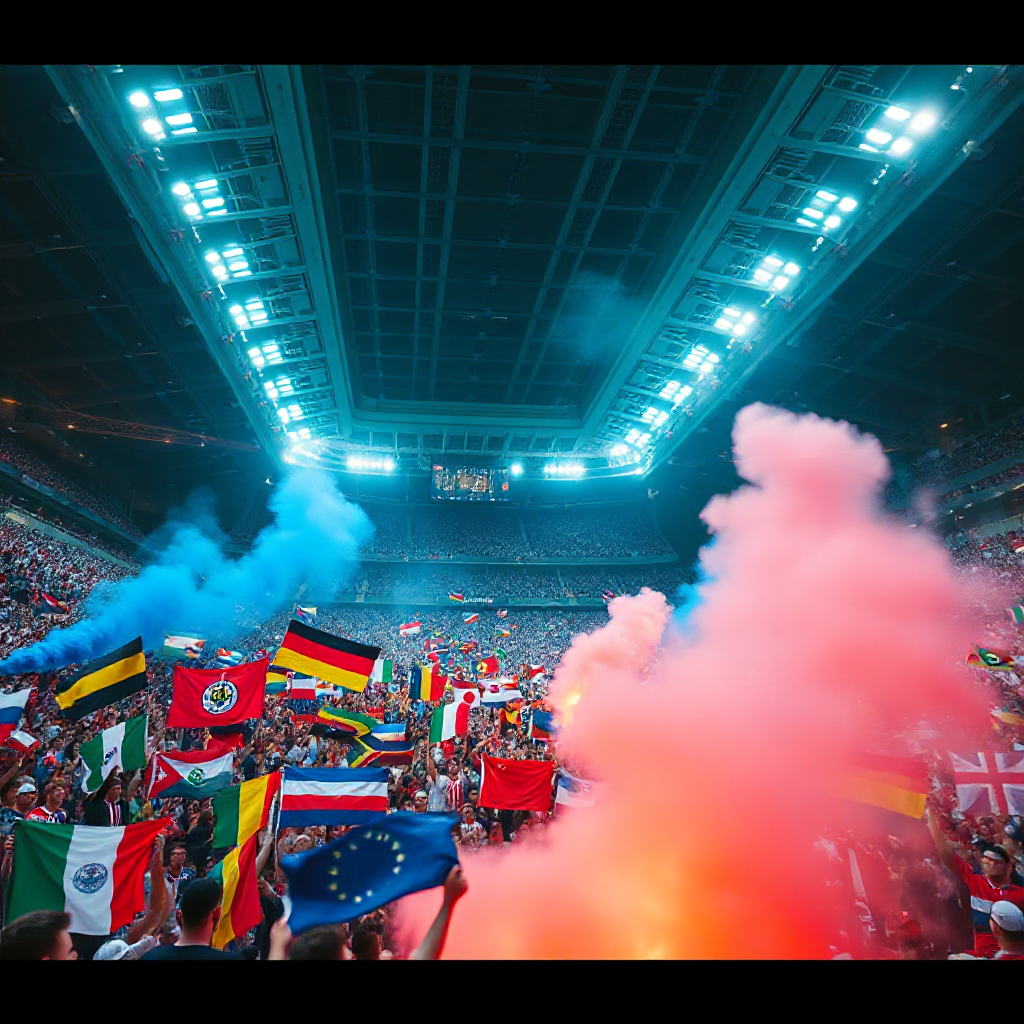

 Hình minh hoạ: 8kbet



 Hình minh hoạ: 8kbet


 Hình minh hoạ:


 Hình minh hoạ: 8kbet



 Hình minh hoạ: sky88